Worried a buyer’s inspection might uncover problems you did not see coming? If you are getting ready to sell in Kennesaw, that concern is completely normal, especially if you have lived in your home for years and are juggling a move, downsizing plans, or a busy family schedule. The good news is that many common inspection issues are predictable, and with the right prep, you can reduce surprises, protect your negotiating position, and keep your sale moving forward. Let’s dive in.
Why inspection prep matters in Kennesaw
In Kennesaw, inspection issues often tie back to two practical realities: weather and paperwork. The Atlanta area sees about 50.43 inches of annual precipitation, and summer heat regularly climbs high, with a July mean high of 90.1°F. That mix can put steady stress on roofs, gutters, drainage, crawlspaces, attics, and HVAC systems.
Local permit rules matter too. Kennesaw Building Services enforces Georgia State Minimum Standard Codes and local permitting procedures, and the city requires permits for work involving regulated electrical, gas, mechanical, and plumbing systems. If repairs or upgrades were done without a clear paper trail, buyers may have questions once the inspection process starts.
Common home inspection issues sellers face
Roof and gutter problems
Roof concerns are some of the first items that show up during a home inspection. Inspectors commonly look at roof-covering materials, gutters, downspouts, flashing, vents, skylights, chimneys, and visible signs of active leaks. Even a small stain or loose gutter section can lead to follow-up questions.
In Kennesaw, heavy rain makes water management especially important. If runoff is not moving away from the home correctly, small exterior issues can turn into bigger concerns during negotiations. A roof that looks fine from the street may still have maintenance items worth addressing before you list.
Drainage and crawlspace moisture
Poor grading and drainage can create inspection concerns fast. Inspectors review surface drainage, grading, retaining walls, and vegetation when those conditions may contribute to moisture intrusion. In practical terms, that means puddling water, soil sloping toward the house, or damp crawlspace conditions can stand out.
For many sellers, this is one of the most overlooked areas. You may be used to a damp spot after a storm, but a buyer may see it as a warning sign. If your home has a crawlspace or a history of moisture, this is worth checking early.
HVAC wear and maintenance concerns
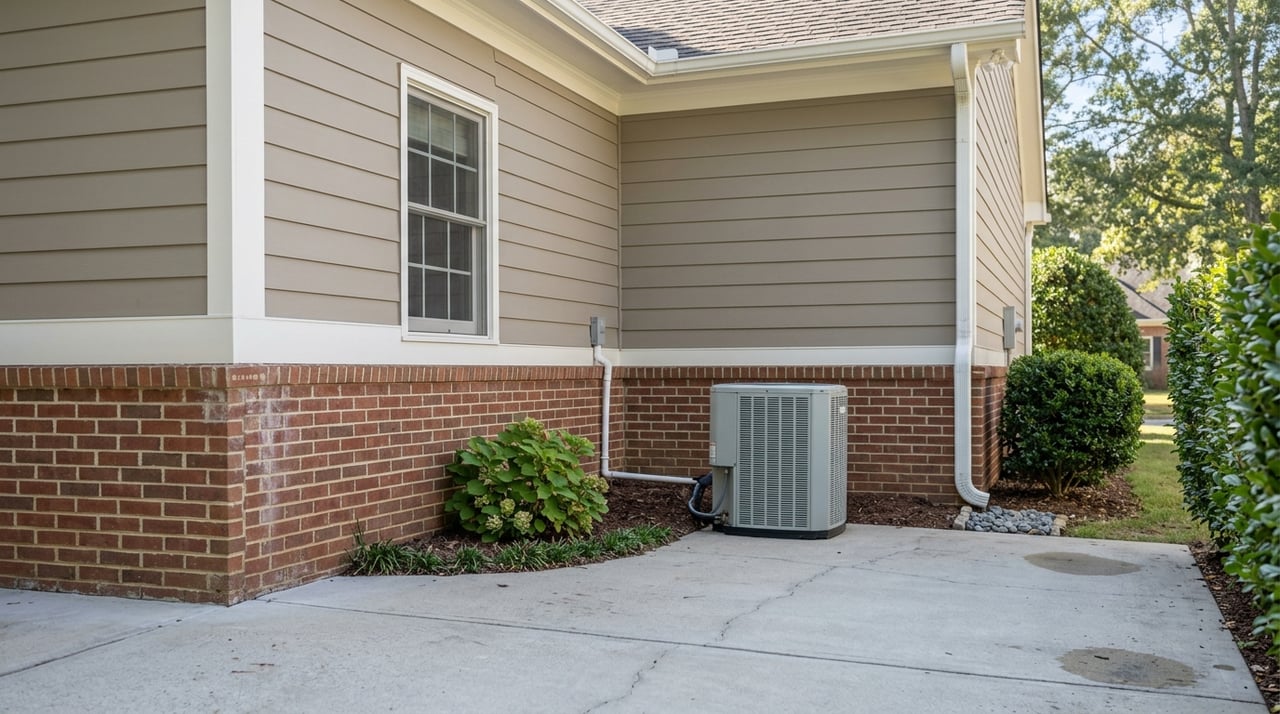
Heating and cooling systems are a standard part of a home inspection. An inspection is not meant to predict the future life of the system, but older equipment, uneven cooling, weak airflow, or missing maintenance records can still become negotiation points.
In a hot North Atlanta summer, buyers pay close attention to HVAC performance. If your system is working but has not been serviced in a while, getting it checked before listing can help you understand what a buyer’s inspector might note.
Plumbing leaks and fixture issues
Plumbing issues can be simple or surprisingly disruptive. Inspectors often note visible leaks, slow drains, shutoff problems, or signs that water damage was repaired without much supporting documentation. Even a small drip under a sink can raise concerns about maintenance.
If you have had a plumbing repair in the past, it helps to gather invoices or service records. Buyers are often more comfortable when they can see that an issue was handled properly rather than patched quickly.
Electrical safety items
Electrical comments are common in inspection reports, especially around safety. Missing GFCI protection, exposed wiring, or concerns at the electrical panel often trigger repair requests. GFCIs are designed to reduce severe shock risk and are commonly expected in areas like kitchens, bathrooms, garages, crawl spaces, unfinished basements, wet bar sinks, and laundry or utility sink areas.
Sometimes these are relatively manageable fixes, but they can still create friction if discovered late. If your home is older or you have made updates over time, this is an area where a little proactive attention can go a long way.
Smoke and carbon monoxide alarms
Safety devices are easy to forget because they blend into daily life. Still, missing or nonworking smoke alarms and carbon monoxide alarms can stand out in an inspection. FEMA recommends smoke alarms in every bedroom, outside each sleeping area, and on every level of the home, including the basement.
CPSC also advises carbon monoxide alarms on each level and in the hallway near sleeping areas. Before listing, it is smart to test alarms and replace batteries or units as needed.
Termite history and wood damage
In Georgia, termite and wood-destroying organism concerns carry real weight in a sale. The state uses an official Wood Infestation Inspection Report for real estate transfers, and that report is issued by a certified pest-control operator. It is not a structural report, which means sellers should pay attention to visible wood damage, prior treatment, and transferable termite documentation.
If your home has ever been treated, do not assume that old paperwork does not matter. Records and warranties can help answer buyer questions and reduce uncertainty.
Lead-based paint in older homes
If your home was built before 1978, lead-based paint rules may apply. Sellers must disclose known lead-based paint hazards, provide available records, and give buyers the required lead pamphlet. In these homes, documentation matters just as much as physical condition.
This is not something to leave until the last minute. If you own an older Kennesaw home, treat lead disclosure paperwork as a normal part of your pre-listing checklist.
Unpermitted or undocumented work
Buyers often ask about additions, panel changes, HVAC replacements, plumbing reroutes, and other updates. In Kennesaw, permits are required for regulated system work, and the city notes that permits help protect future purchasers. If you cannot clearly show what was done and by whom, that can create hesitation.
This does not always mean a sale falls apart. It does mean you should gather records early and be ready for questions about work completed over the years.
What sellers can do before listing
Start with a seller walk-through
A focused pre-listing walk-through can help you spot obvious issues before a buyer does. Because a home inspection is a non-invasive, visual review of accessible areas, sellers often get the most value by finding visible concerns early. That lets you decide what to repair, what to monitor, and what to document.
This step can be especially helpful if you have lived in the home for a long time. Familiarity can make small defects easy to miss.
Clear access to key areas
One simple way to help the inspection go smoothly is to make sure the inspector can reach everything important. That includes the attic, crawlspace, electrical service panel, HVAC equipment, and water heater. Blocked access can delay the process or create unnecessary suspicion.
It is also wise to replace burned-out bulbs before the inspection. A basic lighting issue can otherwise look like an electrical problem at first glance.
Use qualified contractors for regulated repairs
If repairs are needed, resist the urge to rely on quick DIY fixes for regulated systems. Kennesaw requires permits for regulated electrical, gas, mechanical, and plumbing work, and the city says these projects should be handled by properly licensed contractors.
That matters not just for safety, but for buyer confidence. Clean, documented repairs usually land much better than vague explanations.
Gather your paperwork early
Documentation can be just as important as the repair itself. Before listing, gather permits, invoices, warranties, service agreements, and any transferable termite treatment or repair guarantees. If buyers ask follow-up questions, organized records can make your response much easier.
This is especially valuable if your home has had past water intrusion, pest treatment, system replacements, or major repairs. Good records help show that problems were addressed responsibly.
Consider extra testing when appropriate
If your home has a moisture history or is older, you may want to ask whether additional testing makes sense before listing. HUD notes that added health and safety tests may be relevant for concerns such as mold, air or water quality, asbestos, lead paint, insulation issues, or pest infestations.
Not every home needs this step. But in the right situation, extra testing can provide clarity before a buyer introduces the issue later.
What to fix before listing
Some items are usually best handled before your home goes on the market. These often include:
- Active roof leaks
- Unsafe electrical conditions
- Missing critical GFCI protection
- Nonworking smoke or carbon monoxide alarms
- Visible active termite or wood-destroying organism concerns
- Active plumbing leaks
These problems tend to create immediate buyer concern and may complicate closing. They can also lead to stronger repair requests or lender-related delays.
What to disclose and document
Other issues may call for disclosure, documentation, or both. Sellers should be prepared to disclose known latent or hidden defects, prior water intrusion, structural movement history, termite treatment or damage history, flood or erosion history, and significant repair history a buyer would likely consider material.
Even in an as-is sale, known hidden defects still matter. If information changes before closing, disclosures should be updated.
When repair and disclosure both make sense
In many cases, the safest approach is not choosing between repair and disclosure. It is doing both. If an issue existed, was corrected, and is now documented with receipts or specialist reports, that usually creates a cleaner story for buyers.
This is especially helpful because home inspections are limited to accessible areas and do not uncover every concealed defect. Clear documentation helps reduce misunderstandings later.
A calmer way to prepare for sale
If you are selling in Kennesaw, the biggest inspection risks usually are not cosmetic. They are the practical issues that affect safety, water management, system performance, pest history, permit records, and disclosure completeness. Getting ahead of those items can help you feel more in control and reduce last-minute negotiation stress.
If you want a calm, step-by-step plan for preparing your home for market, Southern Swann, LLC can help you organize the details, prioritize the right repairs, and move forward with confidence.
FAQs
What home inspection issues are most common for Kennesaw sellers?
- Common inspection issues for Kennesaw sellers include roof leaks, gutter and flashing problems, drainage and crawlspace moisture, HVAC concerns, plumbing leaks, electrical safety items, alarm issues, termite history, and questions about unpermitted work.
Should Kennesaw sellers fix inspection issues before listing a home?
- Kennesaw sellers should usually fix safety concerns, active leaks, active pest issues, and other problems likely to trigger strong repair requests or delay closing.
Do Kennesaw home sellers need permits for past repairs?
- In Kennesaw, permits are required for work involving regulated electrical, gas, mechanical, and plumbing systems, so sellers should gather records for past updates and be ready to answer buyer questions.
What paperwork should a Kennesaw seller gather before an inspection?
- A Kennesaw seller should gather permits, repair invoices, warranties, HVAC service records, plumbing records, and any transferable termite treatment or repair guarantees.
How can a seller prepare a Kennesaw home for inspection day?
- A seller can prepare by clearing access to the attic, crawlspace, panel, HVAC equipment, and water heater, replacing burned-out bulbs, testing safety alarms, and addressing visible maintenance concerns in advance.
Do older Kennesaw homes need lead-based paint disclosure?
- If a Kennesaw home was built before 1978, the seller must disclose known lead-based paint hazards, provide available records, and include the required lead information for buyers.