Wondering why some homes in Roswell feel priced on more than square footage alone? In and around the historic core, buyers often respond to a mix of character, location, and scarcity that can shape pricing in ways that feel different from the broader market. If you are thinking about buying or selling in Roswell, understanding how historic character affects value can help you make smarter decisions. Let’s dive in.
Historic Character Means More Than Old Homes
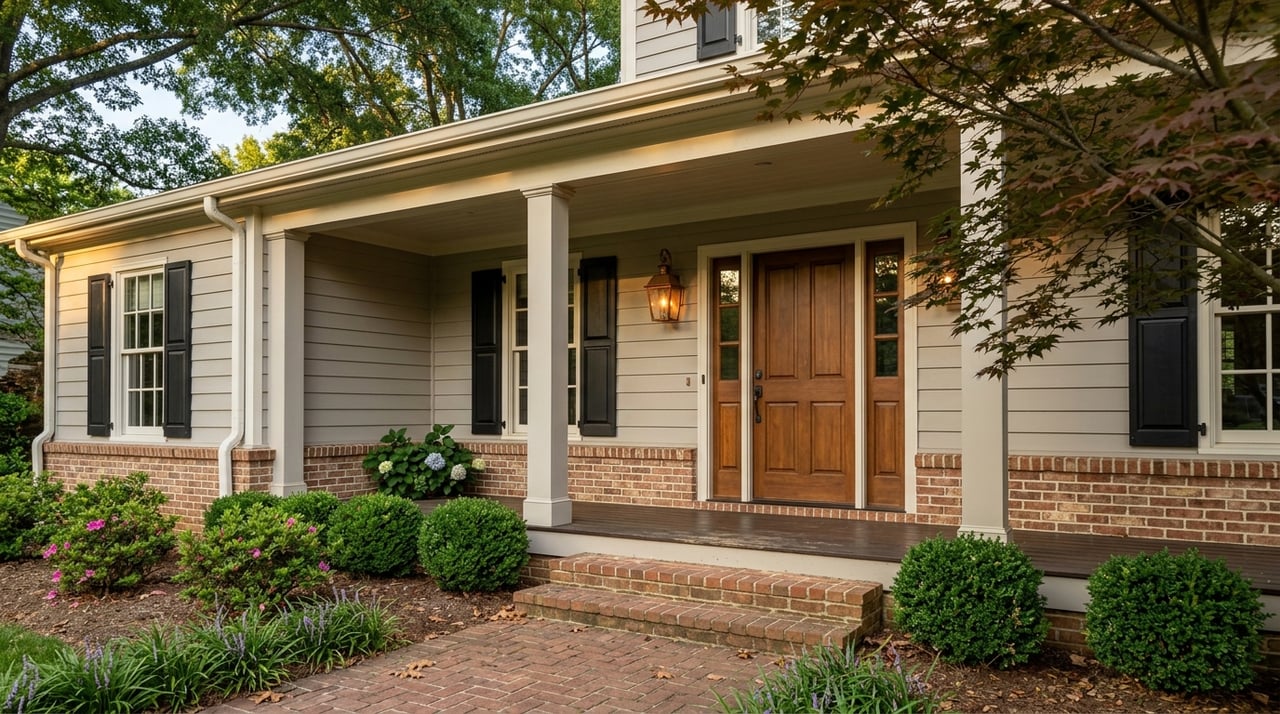
In Roswell, historic character is not just about a house being older. The city treats the historic district as part of a broader preservation and development strategy for a sustainable, thriving downtown that protects historic resources while supporting ongoing use and investment.
That distinction matters when you look at home prices. A home near the historic core may benefit from the appeal of established architecture, walkable access to well-known local destinations, and the sense of place created by long-term planning. In Roswell, that package helps shape value.
Roswell’s Historic Core Adds Scarcity
Roswell has a limited amount of undeveloped land, and the city expects future growth to depend heavily on redevelopment rather than large-scale greenfield expansion. In simple terms, there is only so much room to create more housing in and around the areas buyers already know and want.
Scarcity often supports demand. In Roswell’s historic core, that demand is tied not only to the homes themselves, but also to the surrounding amenity district that includes Canton Street, Historic Town Square, Barrington Hall, Bulloch Hall, Smith Plantation, Mimosa Hall & Gardens, and the Old Mill Machine Shop.
When buyers value that setting, they are often comparing more than bedroom counts or lot size. They are also weighing access to a distinctive part of Roswell that cannot be easily replicated elsewhere.
Current Prices Tell a Nuanced Story
As of May 2026, Redfin shows a median sale price of $569,808 in the Roswell Historic District, compared with $629,623 for Roswell overall. Median days on market were 44 in the historic district versus 27 citywide.
Realtor.com’s May 2026 snapshot paints a similar picture for the district, with a $600,000 median listing price, 21 homes for sale, 45 days on market, and a 99% sale-to-list ratio. The takeaway is important: this is a real demand pocket, but not a market where every historic home automatically commands a premium or sells instantly.
Buyers still pay close attention to condition, finish level, and how much work a property may require. That is especially true in areas where charm can come with maintenance responsibilities.
Why Historic Character Can Support Value
Historic character often affects price through a bundle of features that buyers may find hard to replace elsewhere. In Roswell, those factors can include:
- Architectural authenticity
- Proximity to the historic downtown area
- Limited supply in a recognized setting
- Long-term public investment in preservation and planning
- A clear neighborhood identity tied to local landmarks and streetscapes
For many buyers, that combination creates perceived value. A home does not need to be the largest in town to attract strong interest if it offers a location and feel that buyers cannot easily find in newer areas.
Research Shows Historic Pricing Is Not One-Size-Fits-All
The broader research on historic districts is mixed, which is helpful to know if you want a realistic view of Roswell pricing. A 2025 Atlanta study found that National Register listing was associated with 9% to 12% higher residential values, while local historic district designation was associated with price declines after accounting for overlap.
That same study found that local designation increased permitted renovations and reduced new construction and subdivision. A 2021 review of the literature also concluded that many studies find a premium, but some find neutral or negative effects depending on the market and the rules attached to the district.
In other words, historic character can help value, but the result depends on context. The label alone does not set the price. Buyers also weigh restrictions, upkeep, layout, updates, and the overall experience of owning the home.
Local Rules Can Shape Buyer Behavior
In Georgia, a local historic district generally requires a Certificate of Appropriateness before a material change in appearance. The state’s model ordinance says review centers on exterior-visible changes rather than interior alterations.
Roswell’s process adds practical steps. The city says applicants must complete an orientation and file COA materials with Community Development, and the planning page directs residents to District Design Guidelines.
For buyers, that can mean extra time, added documentation, and design review for visible alterations or additions. Some buyers see that as a worthwhile tradeoff for preserving the area’s character. Others may factor that extra process into what they are willing to pay.
Updated Homes Often Tell the Best Pricing Story
For sellers, the strongest value story is usually not simply that a home is old or located in a historic area. It is often that the home offers historic character plus documented updates.
That is especially true when the property is close to Canton Street, Historic Town Square, or one of Roswell’s public historic sites. Buyers may respond well to homes that keep their visual character while also offering improvements that make day-to-day ownership easier.
If you are preparing to sell, clear records of permitted work, thoughtful upkeep, and a realistic pricing strategy can matter as much as the charm itself. In this part of the market, buyers often appreciate character, but they still want clarity.
Buyers Should Look Beyond the List Price
If you are buying in Roswell’s historic core, it helps to evaluate the full ownership picture. A lower or similar asking price does not always mean lower long-term cost if the home needs exterior work that may require review and approval.
As you compare options, pay attention to:
- Condition of exterior features
- Age and quality of past renovations
- Whether visible changes may require a COA
- How close the property is to the historic core’s main amenities
- Days on market relative to condition and presentation
This approach helps you judge whether you are paying for true value, future work, or a mix of both.
Tax Credits May Help Some Owners
Georgia offers a state historic rehabilitation credit equal to 25% of qualifying expenses, capped at $100,000 for a principal residence. The Georgia Department of Community Affairs says owner-occupied homes contributing to a local historic district may qualify under the Historic Home credit.
For some buyers and owners, that can help offset part of the cost of rehabilitation. It does not erase the need for planning, but it can be part of the financial picture when you are deciding whether a historic property is the right fit.
Federal 20% rehabilitation credits also remain available for income-producing properties that meet federal standards. In a residential context, the state credit is often the more relevant starting point for owner-occupants in Roswell.
What This Means for Sellers in Roswell
If you own a home with historic character, pricing it well means balancing charm with market reality. Buyers may pay for authenticity, location, and scarcity, but they also compare condition, flexibility, and expected upkeep.
A strong sale strategy often starts with honest positioning. That may include showing how your home relates to the historic core, highlighting documented improvements, and setting expectations around any visible features that contribute to the home’s appeal.
For homeowners in a life transition, this matters even more. If you are downsizing or planning your next move, a calm, data-driven strategy can help you preserve value without overreaching on price.
What This Means for Buyers in Roswell
If you love Roswell’s historic feel, you are not imagining its market impact. The city’s preservation efforts, established landmarks, and limited supply all help support demand in the area.
At the same time, historic character does not guarantee a simple pricing formula. The best opportunities often come from understanding which homes combine location, condition, and long-term usability in the most balanced way.
When you look at the market through that lens, you can make decisions with more confidence and fewer surprises.
If you are thinking about buying, selling, or downsizing in Roswell, Southern Swann, LLC can help you make sense of the numbers, the neighborhood context, and the next steps with a calm, personal approach.
FAQs
How does historic character affect home prices in Roswell?
- Historic character can influence prices through location, scarcity, architectural authenticity, and proximity to Roswell’s historic core amenities, but condition and required updates still matter.
Are homes in the Roswell Historic District always more expensive?
- No. As of May 2026, the Roswell Historic District median sale price was below Roswell’s overall median, which shows that historic appeal does not automatically produce a higher price.
What is a Certificate of Appropriateness in Roswell?
- A Certificate of Appropriateness, or COA, is generally required for material exterior-visible changes in a local historic district, and Roswell requires orientation and application materials through Community Development.
Do Roswell historic homes take longer to sell?
- Current market snapshots suggest they can. In May 2026, median days on market in the Roswell Historic District were higher than Roswell overall.
Can buyers of historic homes in Georgia get tax incentives?
- Some owner-occupied homes contributing to a local historic district may qualify for Georgia’s Historic Home credit, which equals 25% of qualifying expenses up to $100,000 for a principal residence.
What should sellers highlight when listing a historic home in Roswell?
- Sellers should focus on historic character, location near key Roswell destinations, and documented updates, since buyers often respond best to charm paired with clear evidence of maintenance and improvements.